Strokes are misdiagnosed in women and younger patients far more often than in older men. The main reason is that their symptoms frequently look different from the “textbook” signs that most ER doctors are trained to spot first. Women tend to experience less obvious warning signs like sudden fatigue and nausea. Younger adults, on the other hand, are often dismissed simply because doctors assume they are too young to be having a stroke. Both of these patterns are well documented in medical research and may amount to medical malpractice under California law.
Learning about how and why these diagnostic failures happen can help victims and their families recognize when they have a valid medical negligence claim. Read on for the information you should keep in mind.
How Stroke Symptoms Present Differently in Women
Most people know the classic signs of a stroke: facial drooping, one-sided arm weakness, and slurred speech. But those warning signs come primarily from research done on male patients. Women can have those same symptoms, but they are also much more likely to show up at the emergency room with signs that don’t fit the mold, including:
- Sudden and severe headache
- Unexplained fatigue
- Generalized weakness
- Nausea and vomiting
- Dizziness
- Balance problems
- Confusion
- Shortness of breath
- Chest pain
- Fainting
These symptoms overlap with so many less serious conditions; as a result, ER doctors sometimes chalk them up to other issues like migraines and anxiety. If a physician settles on one of those explanations without running imaging or other tests to rule out a stroke, precious treatment time slips away. Clot-dissolving medication needs to be given within a tight window to be effective, meaning every minute of delay raises the risk of permanent brain damage.
Why Younger Patients Are Overlooked
Many people think of strokes as something that only happens to older adults, but that is not medically accurate. Strokes happen in patients in their twenties, thirties, and forties, especially those with certain risk factors:
- High blood pressure
- Blood clotting disorders
- Congenital heart defects
- A history of migraines with aura
- Pregnancy and recent childbirth
Younger patients who show up at a Los Angeles ER with stroke symptoms are sometimes sent home without ever receiving a brain scan in the first place. The root of the problem is bias in that when a doctor sees a young adult complaining of dizziness and a sudden headache, stroke may never cross their mind. However, the standard of care requires emergency physicians to consider stroke in any patient with sudden neurological symptoms, no matter how old they are.
Contact a Medical Malpractice Attorney for a Free Consultation
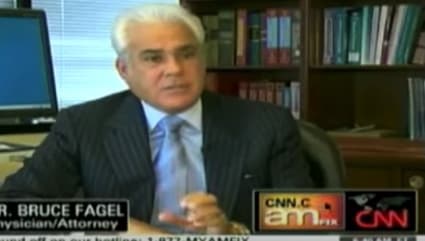
If you or a loved one have suffered a preventable stroke because an ER doctor failed to take your symptoms seriously in California, you may have grounds for a legal claim. Call The Law Office of Dr. Bruce G. Fagel and Associates to learn more and schedule a free consultation at (800) 541-9376. We’re led by a Failure to Diagnose Stroke attorney who is also a medical doctor and have won billions of dollars for our clients since our founding.